Arabic-First UGC: Why Localized Content Wins in MENA
Why dialect localization beats translation, how the platform mix shifts by country, and how culturally-aware, Arabic-first UGC outperforms repurposed global content in MENA ad accounts.
The biggest mistake I see global brands make in MENA is treating Arabic as a translation step. They build the campaign in English, run it through a translator, slap on subtitles, and wonder why the numbers are soft. The content that wins here isn't translated — it's Arabic-first: conceived, spoken, and shot for an Arab audience from the very first frame. That distinction is worth real money in your ad account.
Localization is not translation
Translation moves words from one language to another. Localization moves meaning into a culture. A translated hook is grammatically Arabic but emotionally English — the rhythm is off, the reference doesn't land, the humor falls flat. A localized hook is built by someone who knows that a phrase that kills in Cairo might confuse Riyadh, and that the right the right dialect is the difference between "this is for me" and "this is an ad." That's why I built the marketplace around dialect-native creators, not a translation queue.
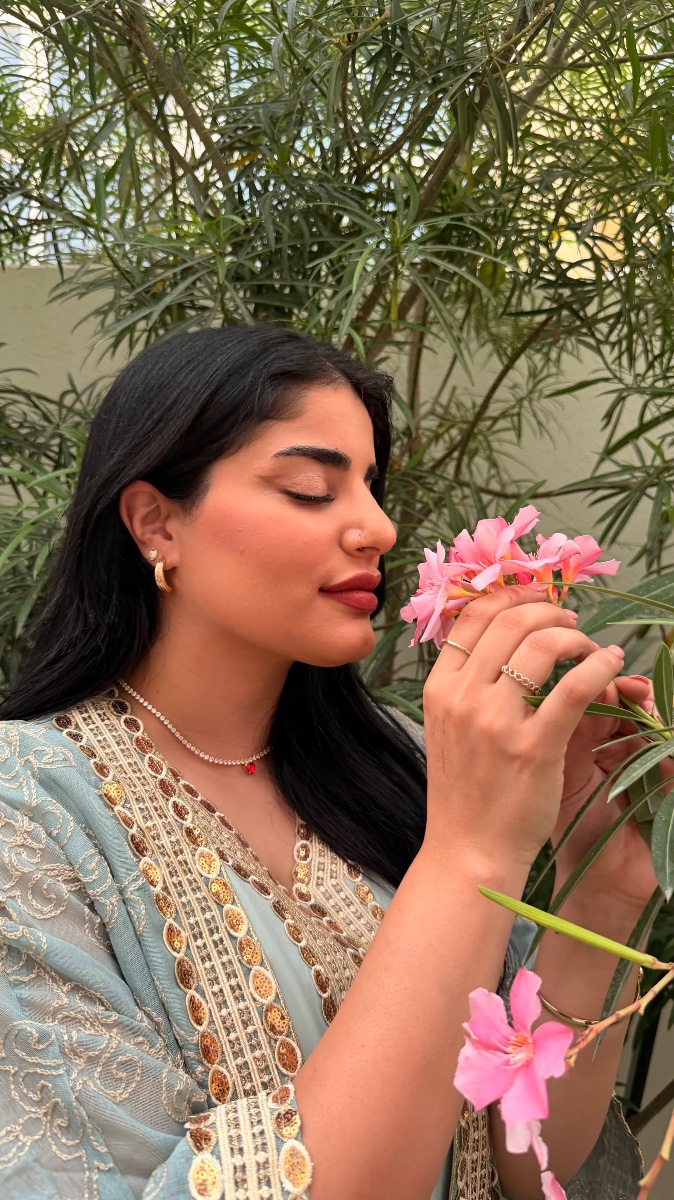
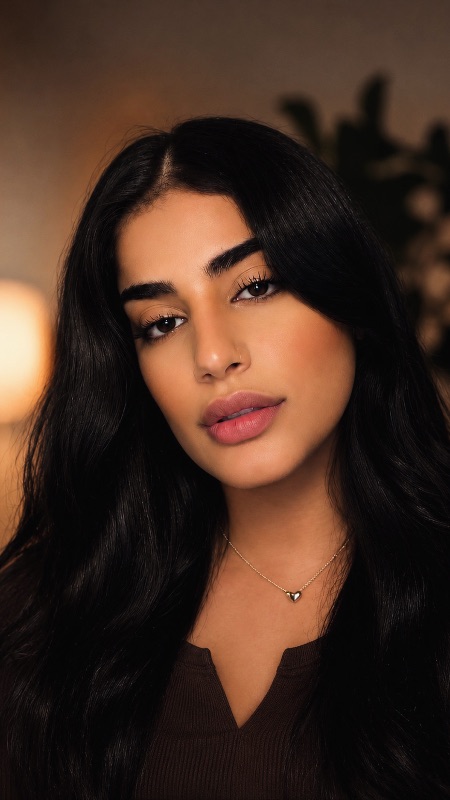
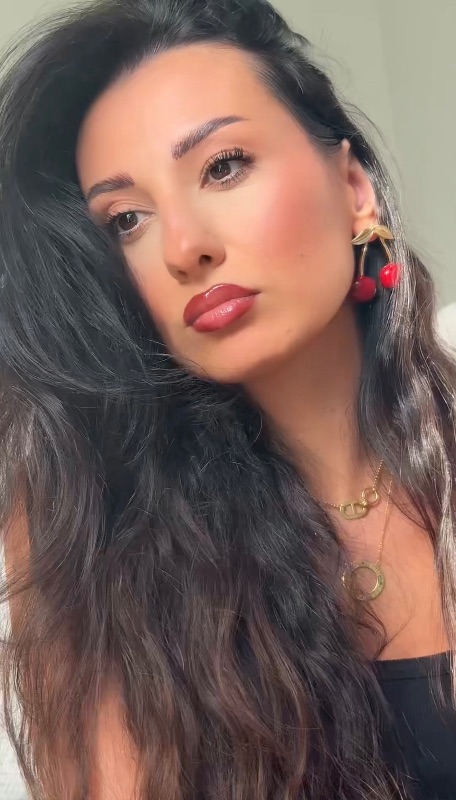
A concrete example: this Dubai-based creator builds brand content aimed squarely at GCC audiences in their own dialect — exactly the Arabic-first approach this piece argues for.
Featured UAE creators on Arabic Creators

The platform mix is not the same everywhere
One of the most expensive assumptions in MENA marketing is that the platform mix is uniform. It isn't. In Saudi Arabia, Snapchat is a giant — for many advertisers it's a primary channel, not an afterthought — alongside TikTok and a fast-growing short-form scene. In the UAE and Egypt, TikTok and Instagram tend to lead. If you brief one creative format and push it everywhere, you're underperforming on at least one major market.
- Saudi Arabia: Snapchat is a primary paid channel, with TikTok and Instagram strong. Brief vertical, fast, dialect-correct Khaleeji content.
- UAE: TikTok and Instagram lead, audiences are bilingual, and a polished, premium feel resonates.
- Egypt: Massive TikTok and Instagram usage, price-sensitive audience, and a creator pool that produces high volume affordably.
Culturally-aware content, especially in Ramadan
Cultural awareness isn't a compliance checkbox — it's a performance edge. The clearest example is Ramadan, the single most important commercial window in the MENA calendar. Consumption patterns shift, content is watched late into the night, and audiences reward brands that show up with genuinely relevant, respectful creative rather than a recolored global ad. A creator who lives the season builds a Ramadan concept that feels like part of the moment, not an intrusion on it. That fluency — in timing, tone, and reference — is exactly what a dialect-native, locally-based creator brings that a translation never will.
The ad-performance argument
In paid social, the creative is the single biggest lever on cost per result — bigger than targeting, bigger than bidding. And in MENA, language and dialect are the heart of the creative. Native-dialect content lowers the friction between viewer and message: the hook lands, the scroll stops, trust forms faster. Translated content introduces a half-second of "this wasn't made for me" that quietly tanks your hook rate and lifts your cost per acquisition. I've watched the same product, same offer, same budget perform dramatically differently purely on whether the creative was Arabic-first or translated. The cheapest way to improve ad performance in this region usually isn't a new audience — it's better-localized creative.
How to put this into practice
Start by matching the creator to the market, not the other way around. Hiring for a Saudi campaign? Get a Khaleeji-native creator who knows Snapchat. Going pan-Arab on a budget? Egyptian creators give you reach and value. Then brief the dialect, the platform, and the cultural moment explicitly — and let the creator do what a translator never could. You can browse Arabic-first creators across MENA, and if you want the pricing context for budgeting, read how much Arabic UGC really costs.
Frequently asked questions
What does "Arabic-first" UGC mean?
Arabic-first UGC is content conceived and produced in Arabic for an Arab audience from the start, in the right dialect and cultural context — not English content that's been translated or subtitled afterward. It reads as native because it was native, which is why it consistently outperforms repurposed global creative in MENA ad accounts.
Which platforms matter most in Saudi Arabia vs the UAE?
Snapchat is exceptionally strong in Saudi Arabia and a primary channel there, alongside TikTok and Instagram. In the UAE and Egypt, TikTok and Instagram tend to lead. The practical takeaway: don't assume one platform mix across MENA — brief creators for the format and platform your specific market actually uses.
Does localized Arabic content really perform better in ads?
Consistently, yes. Native-dialect content lowers the barrier between the viewer and the message — the hook lands, the scroll stops, and trust forms faster. Translated or non-native content creates a subtle friction that shows up as weaker hook rates and higher cost per result. The creative is the biggest lever in paid social, and in MENA, language and dialect are the heart of the creative.
Hire Arabic-first creators
Find dialect-native creators who build for your market from the first frame — across the UAE, Saudi Arabia, and Egypt.
Browse creatorsHire creators now
Browse vetted Arabic UGC creators and influencers, with transparent pricing and fast delivery.
Hire creators